
You finally figured out the schedule—consistent stretches between feeding, a bedtime that doesn’t feel impossible. And then one day, everything resets. Your baby is hungry every hour. They're fussier than usual. They're sleeping more, or barely sleeping at all. You've run through every possible reason, perhaps spoken to your pediatrician or fellow parents, and landed on an explanation you might not have been expecting: a growth spurt.
It’s all totally normal, even if everything feels upside down. But understanding what's actually happening in your baby's body — not just the symptoms, but the biology — can make these days feel a lot less alarming and a lot more like what they are: evidence that your baby is doing exactly what they're supposed to do.
Here's everything parents need to know about baby growth spurts: when they happen, what to expect, and how to support your baby's nutrition through each one.
What is a baby growth spurt?
A growth spurt is a short, intense period when your baby's body grows faster than usual — gaining weight and length at an accelerated rate before returning to a steadier pace. The first year of life is the most physically remarkable period of human development. According to the Merck Manual, infants typically grow about 10 inches (25 centimeters) in their first year of life, doubling their birth weight by around 4 to 5 months and tripling it by their first birthday.
That's an extraordinary amount of growth — and it doesn't happen evenly. Rather than a steady upward climb, infant growth tends to be episodic: periods of rapid change interrupted by relative calm.
The AAP's Bright Futures Nutrition guidelines describe infant growth in similarly dramatic terms: from birth to six months, infants gain approximately one inch per month. From six to twelve months, that rate slows to about half an inch per month. Weight gain follows a comparable arc — about 4 to 7 ounces per week in the first four to six months, and 3 to 5 ounces per week thereafter.
The first year's demands are significant: during this period, breast milk, infant formula, or a combination of both provides 40 to 50 percent of total calories from fat alone.² The nutritional bar is high because the growth demands are high.
When do growth spurts happen?
The timing most commonly cited — and supported by the USDA's WIC Breastfeeding Support program — places growth spurts at roughly:
- 2–3 weeks
- 6 weeks
- 3 months
- 6 months
The American Academy of Pediatrics acknowledges these windows while being careful to note that the absence of a noticeable spurt at any specific point doesn't mean something is wrong. Growth spurts can happen at any time, and every baby moves through them on their own schedule. As with most things, your little one is completely unique in terms of their developmental timeline.
What most sources do agree on is this: growth spurts typically last just a few days (sometimes up to a week) before your baby settles back into a more recognizable rhythm.
The biology: Why growth spurts happen at night (and during naps)
One of the most striking and clinically well-established findings about infant growth is how closely it's linked to sleep.
A landmark 2011 study published in the journal Sleep was the first to empirically demonstrate that growth spurts in infant length are statistically associated with increased total daily sleep hours and increased number of naps.
In plain terms: If your baby is sleeping more (or taking longer naps), it’s because they’re growing more. But sleep and growth are inextricably linked in another way, too: Some babies actually wake more frequently because they’re hungry. Both patterns are considered normal.
What you'll actually notice: The signs of a baby growth spurt
Every baby is different, but here are the most commonly reported signs — all of which fall within the expected range:
Increased hunger. This is the most consistent signal. Your baby may feed more often, seem unsatisfied after a full bottle, or wake up hungry earlier than usual.
Fussiness. Increased irritability during a growth spurt is very common. Hunger, disrupted sleep, and the general effort of rapid development can make babies harder to settle. This typically resolves within a few days.
Sleep changes — in either direction. Babies may nap more, sleep longer stretches at night, or conversely, wake more frequently due to hunger. The Lampl & Johnson (2011) research is helpful here: irregular sleep patterns during a growth spurt may be associated with growth activity — a normal part of development, not a sign that something has gone wrong.
Clinginess. Many parents notice their baby wants more physical contact (think: holding, skin-to-skin) during a growth spurt. This is normal. Responding to it doesn't create habits you'll need to undo later.
Sudden outgrowth of clothes. The most obvious sign. Research on infant growth has documented episodes of rapid length gains occurring within 48 hours of increased sleep.
Feeding through a growth spurt: What actually changes
So, how do you deal with feeding during a growth spurt? Follow your baby’s lead and stay consistent with how you’re feeding, whether that’s bottle, breast, or a combination.
For breastfeeding parents: Frequent nursing during a growth spurt isn't a sign of low milk supply. It's a signal to your body to produce more. The mechanism is supply and demand: the more your baby nurses, the more milk your body makes. This is why the USDA WIC guidance encourages breastfeeding parents to follow their baby's lead and not interpret frequent feeding as inadequacy.
For formula-feeding parents: Your baby may take more ounces per feeding, ask for bottles more frequently, or do both. This is expected. Follow your baby’s hunger cues and work with your pediatrician on appropriate volume. More weight means more caloric need, which is exactly what's playing out during a growth spurt.
For combo feeding: The same principles apply. Feed on demand, increase volume and frequency as needed, and trust that your baby's hunger cues are accurate.
How to tell if it's a growth spurt (and not something else)
Growth spurts are short. Most resolve within a few days. If increased hunger and fussiness persist beyond a week without improvement, it's worth a call to your pediatrician to rule out other causes.
Signs that warrant a call regardless of timing:
- Poor weight gain despite increased feeding
- Persistent vomiting, diarrhea, or signs of dehydration
- Difficulty feeding or refusal to feed
- Lethargy or unusual difficulty waking
- High fever or other signs of illness
A note on formula supply during growth spurts
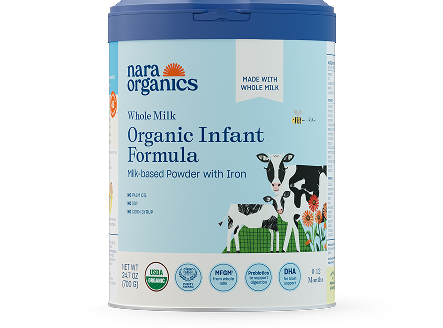
If you're feeding with infant formula, one practical thing worth doing right now: check your next delivery date and consider moving it earlier.
Growth spurts can feel unpredictable — so it’s worth making sure you have enough formula on hand before a busy few days.
Frequently Asked Questions
How long does a baby growth spurt last? Most growth spurts last just a few days, sometimes up to a week, before your baby settles back into a more recognizable rhythm. If increased hunger and fussiness persist beyond a week without improvement, it's worth a call to your pediatrician to rule out other causes.
When do baby growth spurts happen? Growth spurts most commonly occur at 2–3 weeks, 6 weeks, 3 months, and 6 months. That said, every baby moves through them on their own schedule, and the absence of a noticeable spurt at any specific point doesn't mean something is wrong. Growth spurts can happen at any time.
What are the signs of a baby growth spurt? The most consistent sign is increased hunger — your baby may feed more often, seem unsatisfied after a full bottle, or wake earlier than usual. Other common signs include fussiness, sleep changes (either more sleep or more frequent waking), increased clinginess, and suddenly outgrowing clothes.
Is it normal for my baby to sleep more during a growth spurt? Yes. Research published in the journal Sleep was the first to demonstrate that growth spurts in infant length are statistically associated with increased total daily sleep and more frequent naps. Some babies also wake more often during a growth spurt due to hunger. Both patterns are considered normal.
How should I feed my baby during a growth spurt? Follow your baby's hunger cues and feed on demand. For breastfeeding parents, frequent nursing during a growth spurt signals your body to produce more milk — it's not a sign of low supply. For formula-feeding parents, your baby may take more ounces per feeding, ask for bottles more frequently, or both. Work with your pediatrician on appropriate volume if you're unsure.
How do I know if it's a growth spurt and not something else? Growth spurts are short — most resolve within a few days. If increased hunger or fussiness lasts beyond a week without improvement, contact your pediatrician. Also reach out regardless of timing if you notice poor weight gain despite increased feeding, persistent vomiting or diarrhea, difficulty feeding, unusual lethargy, or signs of illness.
The short version
Growth spurts are real, they're temporary, and they're a sign that your baby's body is developing as it should. The extra hunger, the broken sleep, the fussiness — all of it is purposeful. Your job is to meet your little one where they are, follow their cues, and trust that this phase will pass.
Because it will. Usually in just a few days. Keep doing what you’re doing. It’s working.
Cited articles
American Academy of Pediatrics. Bright Futures: Nutrition, 3rd Edition. Accessed via downloads.aap.org
USDA WIC Breastfeeding Support. Cluster Feeding and Growth Spurts. U.S. Department of Agriculture
American Academy of Sleep Medicine. Study is the first to link sleep duration to infant growth spurts. Press release, May 1, 2011.