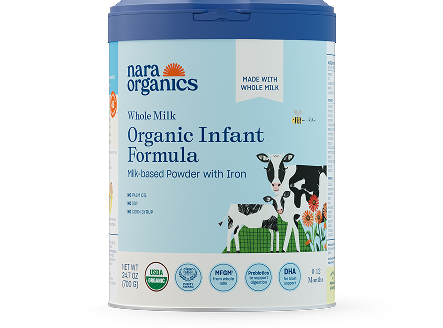

As you switch from ByHeart to a new formula, we've put together some helpful instructions on how to use feeding equipment that may have been exposed to the recalled formula. Based on available information from the FDA, CDC, and WHO, we suggest that you do the following.
Safest option: Replace all feeding equipment
The safest course of action is to replace your bottles, nipples, rings, pitcher sets, and any materials used to clean your feeding items like bottle brushes and drying racks in case they have been contaminated.
Although the specific bacteria that leads to botulism can be destroyed by boiling for at least ten minutes, the bacteria can develop spores. These spores are highly resistant to heat and may remain viable after boiling for several hours. That’s why replacing your feeding items (or using equipment that never came into contact with recalled powder) can provide the highest assurance.
If you can't replace — sanitize
If you can’t replace your feeding gear, it’s important to sanitize all feeding equipment. Based on the available guidance from the CDC and FDA, you should:
-
Wash items in a dishwasher at the highest possible setting. You may choose to run the items several times through the dishwasher as a safety precaution as each cycle may dilute any residual contamination.
-
Boil all items for a minimum of 10 minutes
-
Discard any items that cannot be boiled (some plastics, nipples, etc.)
-
Prioritize discarding pitcher sets. Because prepared formula sits in these for a long amount of time, these pitchers pose a higher risk.
Don't forget to clean all surfaces
The CDC recommends cleaning all surfaces that may have touched the formula using hot, soapy water. This includes cabinets or counters where the powdered formula was stored, any surfaces used to prepare the formula, automatic powder dispensers, the refrigerator, and pitchers (if you used them for storage after making a bottle or large batch).
Pitchers may have cracks or crevices where the spores may survive, so it is highly recommended to discard them or ensure they are thoroughly sanitized.
Notes on preparing formula
With clean bottles, prepare your child’s new formula following the instructions specified on the formula’s label. Please remember, Nara uses a 1:1 water to powder ratio, which is an important change from other formulas that use a 2:1 water to powder ratio.
Storing prepared formula
As a precautionary measure, you may consider preparing the formula fresh for every feed instead of preparing a larger batch of formula and storing it in the fridge (because bacteria can grow in prepared formula).
Remain watchful
If your baby has consumed ByHeart infant formula, watch for symptoms of infant botulism including constipation, poor feeding (like difficulties with sucking, swallowing, or refusal to feed), weak crying that sounds different than usual, drooping eyelids, and loss of head control. These are a few examples of possible symptoms, so any noted changes in your child's health or behavior should be addressed right away.
Symptoms usually appear within three days after the toxin is ingested, although it can take longer. Be sure to alert your baby’s healthcare professional, seek help immediately if you are concerned, and share your baby’s prior feeding history.
A reminder on honey
It’s also worth recognizing that, although recent news highlights the potential impact of ByHeart infant formula in the development of infant botulism, honey accounts for about 20% of the cases of infant botulism each year. Do not feed honey to a child younger than 1 year old.
We’re here for you
We’re sharing this information to help guide you through this difficult situation, and as we learn more information that can better assist you, we’ll be sure to share it. Please continue to monitor the CDC, FDA, or your local health guidelines for any updates. We’re available to answer your questions about feeding as you navigate this stressful time. Send us a note to hello@nara.com. 💙