
Have you heard the saying "food before one is just for fun"? It's catchy, but it's not quite true.
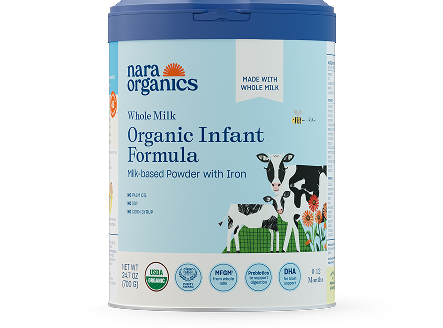
Breastmilk and/or formula are the primary nutrition sources in the first year of a baby's life, but once you start solids, they do have an important role. Here are four things to think about when starting solids.
- Iron: Babies' iron needs start to increase around 6 months old, so you'll want to introduce high iron foods
- Variety: Babies are developing their palette, so you want to expose them to a variety of flavors and textures shape their eating habits
- Motor skills and swallowing: Solids helps teach them these physical oral skills
- Allergens: Introducing these early actually reduces baby's risk of developing a food allergy later on
How breastmilk and formula fit intake changes
Once your baby starts solids, their formula or breastmilk intake won't go down right away. Early on the amounts of food are so small that the formula stays about the same, but closer to 8 or 9 months, as eating becomes more consistent, you'll naturally notice the volume of breastmilk and/or formula shift on its own. Your baby might nurse for shorter period of time or not finish all of their bottles. You don't need to force it, you can follow their cues.
After six months old, think of food and formula working together. Your baby's appetite will guide the balance.