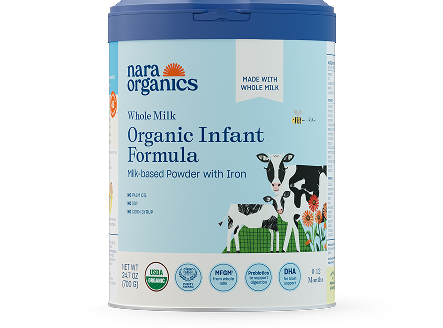

No two feeding journeys are the same, and if yours has led you to combo feeding, you're in great company. Despite how common it is, it's one of the least discussed feeding approaches out there, which can leave parents with a lot of questions.
Combo feeding gets its name from using a combination of breast milk and formula. Some of the most common ways to do it include:
- Breastfeeding with formula top-offs: Offering 1–2 ounces of formula after a nursing session
- Alternating feeds: Rotating between breastfeeding, pumped bottles, and formula bottles
- Mixing breast milk and formula in one bottle: Mixing prepared formula with breast milk (always prepare formula per the label, then add breast milk. Do not add powdered formula to “fortify” breast milk)
In this guide, we'll cover everything you need to know about combo feeding, why families choose it, how to get started, and how to troubleshoot when things get tricky.
Why combo feed?
Whether it's a choice you made from the start or something you've arrived at along the way, here are some of the most common reasons parents find it works well for them.
- Flexibility: Combo feeding means partners, grandparents, and other caregivers can share feeding responsibilities, which takes real pressure off mom and creates more opportunities for others to bond with baby
- Returning to work: Combo feeding can make it possible to maintain a breastfeeding relationship at home without the stress of keeping up with supply during the workday
- Maternal mental health: Being a baby's sole source of nutrition is a significant weight to carry. Combo feeding can relieve that pressure without requiring you to give up breastfeeding entirely
- Low milk supply or weight gain concerns: If your baby isn't gaining weight as expected, or if breastfeeding isn't fully meeting their nutritional needs for any reason, your pediatrician may recommend supplementing with formula
Read: Bottle Feeding 101 →
Supporting your milk supply while combo feeding
One of the biggest myths about combo feeding is that it will make your supply drop. Here's what to do to keep it going strong:
- Breastfeed or pump before offering formula when you can. Offering the breast first keeps the demand signal going
- Pump when baby takes a formula bottle, at least in the early weeks. Once your supply has adjusted, many parents find they can gradually reduce to just 1–3 pumping sessions per day
- Try power pumping during growth spurts or supply dips. This means pumping on and off for about an hour — typically 20 minutes on, 10 off, 10 on, 10 off, 10 on — to mimic cluster feeding
Nutritional needs for combo-fed babies
Iron: The AAP recommends that exclusively or predominantly breastfed babies begin an iron supplement of 1 mg/kg per day starting at 4 months. If you're combo feeding, whether supplementation is needed depends on how much iron-fortified formula your baby is receiving — ask your pediatrician.
Vitamin D: The AAP recommends 400 IU of vitamin D daily for breastfed and partially breastfed babies, and for formula-fed babies taking less than about 32 ounces (roughly 1 liter or 1 quart) of formula per day. If you're combo feeding, whether a supplement is needed depends on how much fortified formula your baby is getting — check with your pediatrician if supplementation is necessary.
Starting solids: Breast milk and formula should be the primary sources of nutrition until 12 months, but starting solids around 6 months is important for additional sources of iron, expanding your baby's palate, and introducing allergens early.
Transitioning to cow's milk: Cow’s milk should not be the primary drink before 12 months. Whole cow’s milk can replace formula at 12 months, but there's no need to stop breastfeeding if you don't want to. Many families continue nursing well into toddlerhood. When you introduce cow’s milk, keep it to about 16–24 ounces per day — more than that can crowd out iron-rich foods and is linked to iron deficiency.
Troubleshooting combo feeding challenges
Nipple confusion & bottle refusal
- Experiment with different nipple types and flows to see what baby likes best
- Practice paced bottle feeding: hold baby semi-upright, pause every few swallows, and let them control the pace
- Introduce the bottle between 2 and 6 weeks. If your baby is older than 6 weeks, let them experiment with the bottle nipple in their mouth before the feed
If the resistance persists, reach out to a lactation consultant.
Formula refusal
- Mix a small amount of prepared formula with breast milk at first, then gradually increase the ratio of formula over several days
- Experiment with different milk temperatures
Gassiness and digestive adjustment
- Practice paced bottle feeding to reduce air swallowing, one of the most common sources of gas with bottles
- Burp thoroughly mid-feed and after every feed
- If baby is significantly fussy, has a hard belly, or you notice changes in their stool, talk to your pediatrician
Engorgement when dropping feeds
- Reduce one session at a time and space changes out over several days to give your body time to adjust
- Hand express or pump just enough to relieve the pressure without fully emptying
FAQs
Will combo feeding ruin my milk supply?
No, combo feeding does not mean your milk supply will decrease. Because milk supply is driven by supply and demand, the key is to replace nursing sessions with pumping so your body still receives the “demand” signal.
When should I start combo feeding?
Combo feeding can start whenever you need it to. Whether that's because your baby needs extra weight gain support, your supply needs a boost, you're returning to work, or you just want your partner to be able to take a feed — all of those are valid reasons to start.
Do babies still benefit from combo feeding?
Yes, babies can get all the nutrition, immune support and developmental benefits they need from combo feeding.
Can I mix breast milk and formula in the same bottle?
Yes, but prepare the formula with water first (following the label directions), then add breast milk. Never mix powdered formula directly into breastmilk.
When should I use formula vs. breast milk?
There's no universal rule. Some families choose to breastfeed in the morning when supply is highest and use formula during the day or before bed. Others use breast milk whenever they have it and formula to fill in the gaps. Use your supply and your schedule as a guide.